
Catholic social teaching (CST) is rooted in Scripture, formed by the wisdom of Church leaders, and influenced by grassroots movements. It is our moral compass, guiding us on how to live out our faith in the world.
Catholic Social Teaching
At St Patrick’s we aim to live out the themes of catholic social teaching in everything we do. In order to develop pupil’s knowledge and understanding of the themes, each half term we focus on a different CST theme. We use the Caritas in action resources alongside CAFOD resources, to support pupils to develop progressively. In addition to this to enhance the learning we invite CAFOD into school to deliver an assembly and workshops to each class.
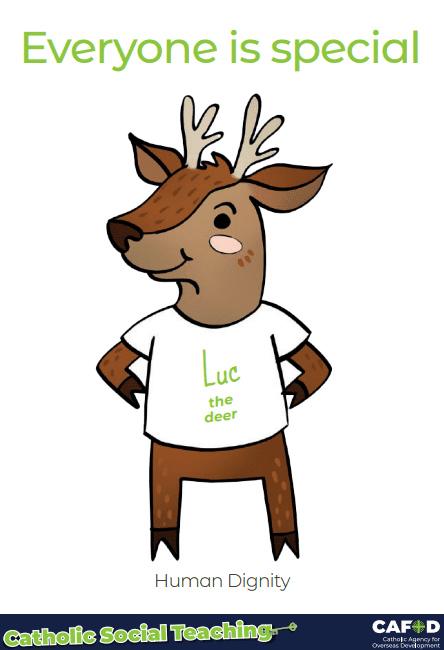
Human Dignity
We are beautifully made in the image and likeness of God.
Every person is created in God’s image and is therefore precious, unique and deserving of respect. Each human being has an inherent dignity that can never be taken away. Our shared humanity calls us to recognise, respect and uphold the dignity of every individual. All other principles of Catholic Social Teaching flow from this belief.
“Let us make humankind in our image, according to our likeness.“ Genesis 1:26
At St Patrick’s we live this out by:
- Respecting everyone as a child of God
- Treating all people fairly and equally
- Teaching children to understand and respect protected characteristics
- Living out our school virtues through our words, actions and relationships
- Creating an inclusive environment where every child feels valued, safe and loved
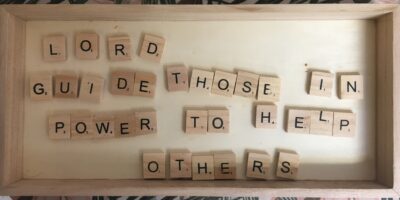
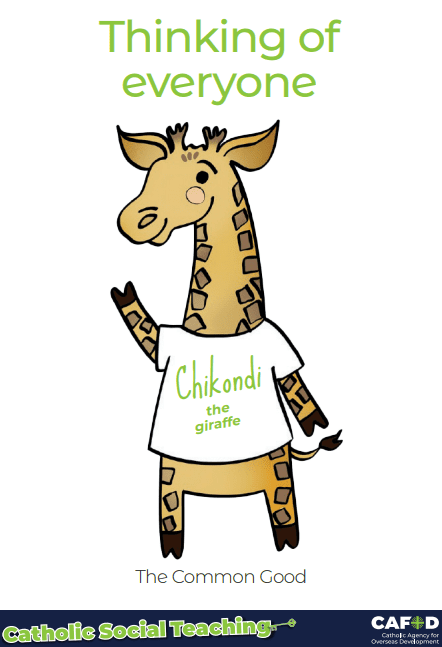
The Common Good
We are called to work for the good of each and of all.
Our actions affect one another. When we make decisions, we consider how they impact the whole community. The common good means ensuring that everyone’s rights are respected, responsibilities are shared and no one is left behind.
“The whole is greater than the part, but it is also
than the sum of its parts.” Pope Francis, Evangelii Gaudium (235)
At St Patrick’s we live this out through:
- Learning about Fairtrade and the importance of fair wages for farmers
- Exploring where our food comes from through Geography and Design Technology
- Participating in CAFOD workshops and global learning opportunities
- Working collaboratively in house teams to support one another
- Taking part in pupil voice activities every half term
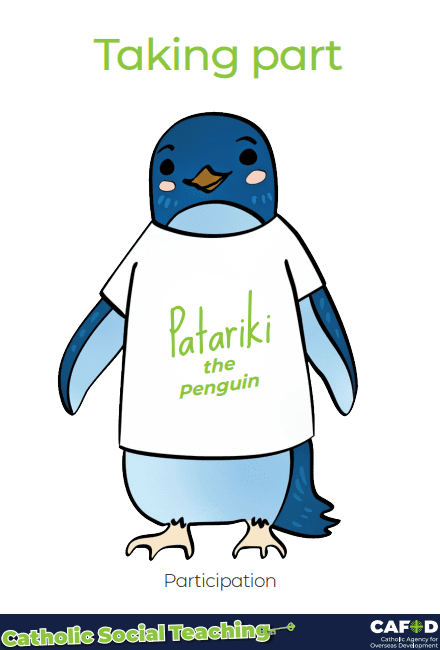
Participation
We all have the right and duty to participate fully in society.
We live in community with others, growing together. Everyone has a role to play, and all voices matter. We are called to be active participants in school life and to ensure that all people are included and able to contribute.
“When each separate part works as it should, the whole body grows and builds itself up through love.” Ephesians 4:16
At St Patrick’s we live this out through:
- Offering children leadership roles such as chaplaincy, eco-council, wellbeing, Faith in Action and iVengers
- Involving pupils in the planning of community events such as the Christmas Market and St Patrick’s Mini Market
- Providing opportunities to participate in the school choir, including singing at Mass, assemblies and local care homes during Advent and Lent
- Gathering the views of children, staff and parents through regular surveys
- Teaching democracy through the History curriculum, including the Year 6 study of Ancient Greece


Subsidiarity
We are called to empower communities, to let everyone have a say.
Subsidiarity means decisions are made at the most appropriate level, allowing those affected to contribute meaningfully. Every person has wisdom and insight, and all should have opportunities to influence outcomes within their community.
“…together we want to give voice to all those who suffer, to all those who have no voice and are not heard.” Pope Francis, 20 September 2016
At St Patrick’s we live this out through:
- Teaching children our school virtues and encouraging them to live these out daily
- Using our behaviour policy to promote responsibility, reflection and restoration
- Providing regular opportunities for pupils to contribute to school life and decision-making
- Teaching children through RSHE to stand up for what is right and speak out against injustice
- Participating in CAFOD workshops and fundraising activities
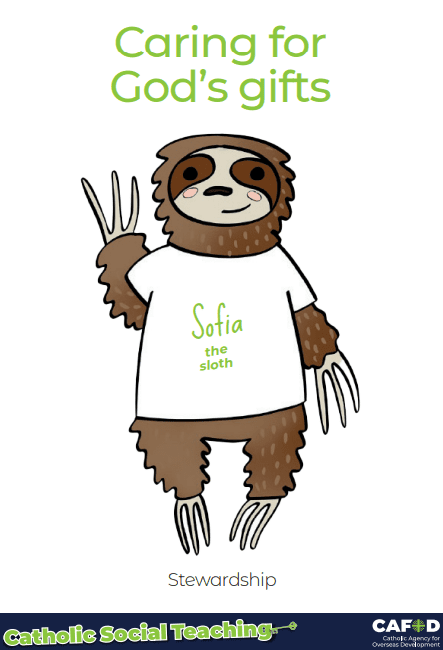
Stewardship
We are guardians of God’s creation, living sustainably and enhancing the wellbeing of our planet.
Stewardship means caring responsibly for the gifts God has given us, including the environment, our talents and our resources. All living things are connected, and we are called to live sustainably for the good of both present and future generations..
“The Lord God took the man and put him in the garden of Eden to till it and keep it.” Genesis 2:15
At St Patrick’s we live this out through:
- Engaging children in chaplaincy teams from Year 3 to Year 6
- Exploring environmental responsibility through CAFOD and Come and See topics
- Encouraging participation in Eco Club and sustainability initiatives
- Completing the Faith in Action Award in Year 6
- Teaching care for creation through Geography topics, including energy and sustainability, the Amazon rainforest, biomes, coastal areas and local fieldwork
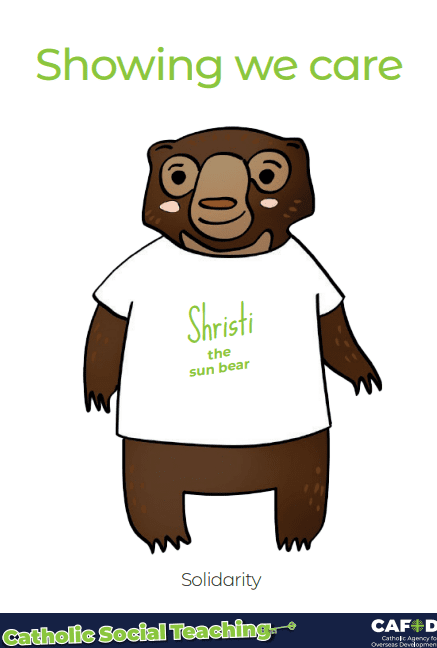
Solidarity
God created us as one global family, called to support our brothers and sisters.
Solidarity means recognising that we are all brothers and sisters, connected across communities and nations. We are called to stand alongside others, especially those who are suffering, and to work for justice and peace together.
“… all of you are one in Christ Jesus.” Galatians 3:28
At St Patrick’s we live this out through:
-
Praying regularly for our local community and the wider world
-
Visiting and supporting residents at our local care home
-
Working with our local MP to support community initiatives such as road safety
-
Taking part in CAFOD workshops and fundraising
-
Supporting Eco Club initiatives
-
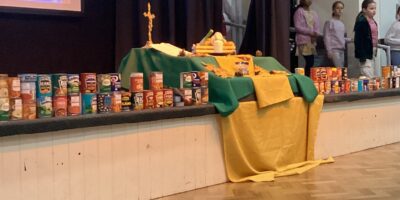
Collecting donations for the local food bank during Harvest
-
Participating in the Christmas shoebox appeal
-
Developing prayer partnerships, particularly in Year 6
-
Exploring themes of conflict and compassion through History topics
-
History focus topic – Year 6 The impact of war, Year 2 Great Fire of London


Preferential Option for the Poor
The needs of poor and vulnerable people should be put first.
A preferential option for the poor means placing the needs of the most vulnerable at the heart of our decisions. Jesus taught us that when we care for those in need, we are caring for Him.
“Learn to do good; seek justice, rescue the oppressed, defend the orphan, plead for the widow.” Isaiah 1:17
At St Patrick’s we live this out through:
-
Fundraising for CAFOD through initiatives such as the Big Lent Walk
-
Collecting donations for the local food bank during Harvest
-
Supporting the homeless through a shoebox appeal during Advent
-
Visiting and performing at local care homes during Advent and Lent
-
Developing prayer partners across year groups
-
Supporting families in need through applications to local charities, including the Lashes Foundation
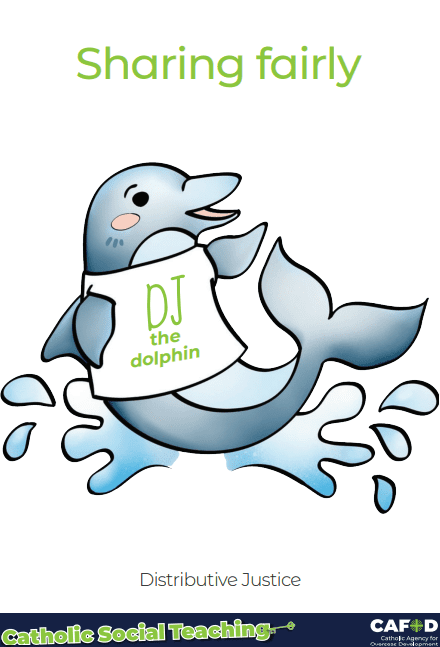
Distributive Justice
Everyone should have access to their fair share of resources.
God’s plan is for all people to share in the goods of creation so that everyone has access to basic necessities such as food, shelter and clothing. Distributive justice is about fairness in how resources are shared.
“All who believed were together and had all things in common.”
Acts 2:44-45
At St Patrick’s we live this out through:
-
Supporting families within our school community through donated school uniform
-
Teaching children about Fairtrade and ethical consumption
-
Organising and participating in charitable events such as the Big Lent Walk, Harvest Festival and shoebox appeal
-
Providing a food donation box in the school entrance
-
Living out our mission statement through acts of sharing and generosity
Promoting peace
We can be God’s instruments of peace through seeking justice.
Peace is more than the absence of conflict; it is rooted in justice, forgiveness and love. We seek to promote peace by fostering understanding, reconciliation and respectful relationships.
“…those who promote peace have joy.” Proverbs 12:20
At St Patrick’s we live this out through:
-
Celebrating the International Day of Peace
-
Following a behaviour policy rooted in promoting peace, forgiveness and restoration
-
Marking Remembrance Day through reflection and retreat
-
Offering regular prayers for peace in our world